
Hail Damage Repair in Las Vegas: What You Need to Know
Las Vegas doesn’t get hail as often as Colorado or Texas, but when a storm does roll through the valley, the damage can be severe. One storm can leave dozens — sometimes hundreds — of small round dents across the hood, roof and trunk lid. The good news is that hail is the textbook job for paintless dent repair (PDR): the dents are shallow, the paint is almost always intact, and a trained technician can massage the metal back to its original shape without sanding, filler or repainting.
This guide explains what hail actually does to a car, how PDR fixes it, what the repair typically costs in Las Vegas, how insurance fits in, and what to do in the first few days after a storm so you don’t lose time or money.
What Hail Does to Your Vehicle
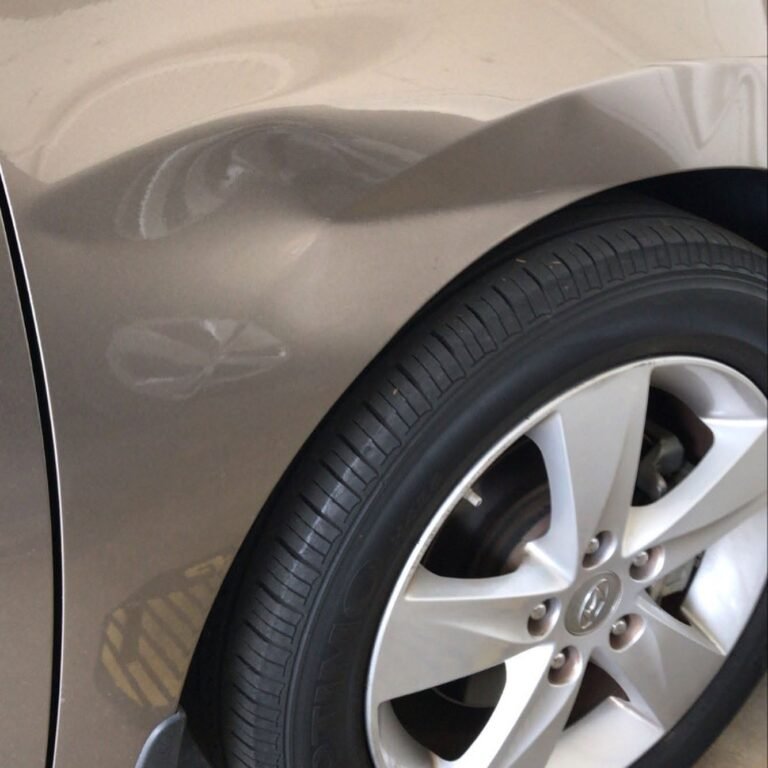
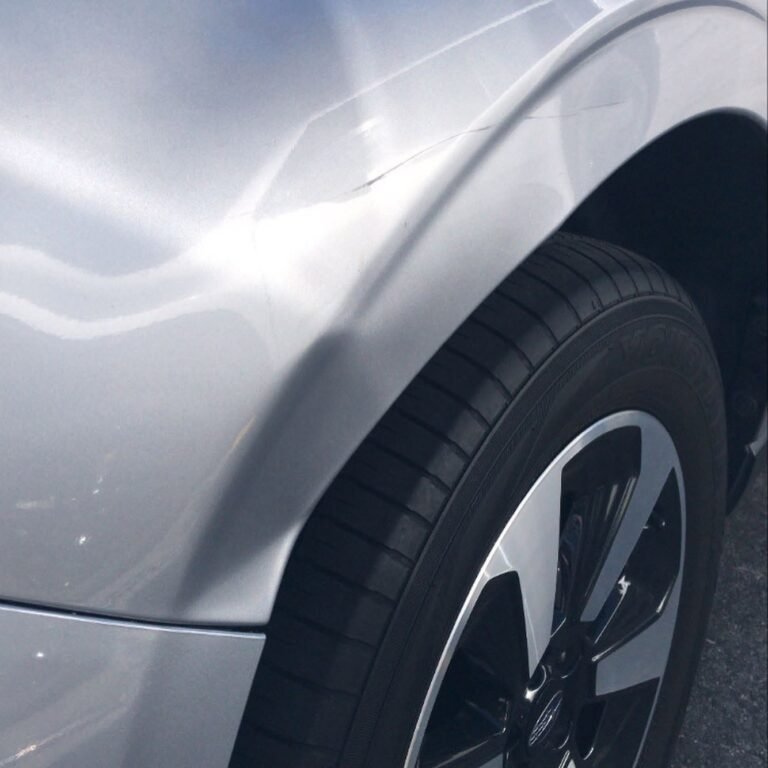
Hail strikes from above, so the horizontal panels take the worst of it: the roof, hood and trunk lid, followed by the tops of the fenders and quarter panels. A typical hail dent is round, shallow and smooth-edged, because the ice hits the panel and the metal stretches slightly without the paint cracking. That is exactly why PDR works so well on it.
How bad a vehicle looks after a storm depends on stone size, wind and how long the car was exposed. Technicians usually describe damage in rough tiers:
- Light: a handful to a few dozen small dents, usually concentrated on one or two panels.
- Moderate: dozens of dents across several panels, some overlapping.
- Severe: hundreds of dents across the roof, hood and trunk, sometimes with larger dents that need extra time or a panel replacement.
How Paintless Dent Repair Fixes Hail Damage
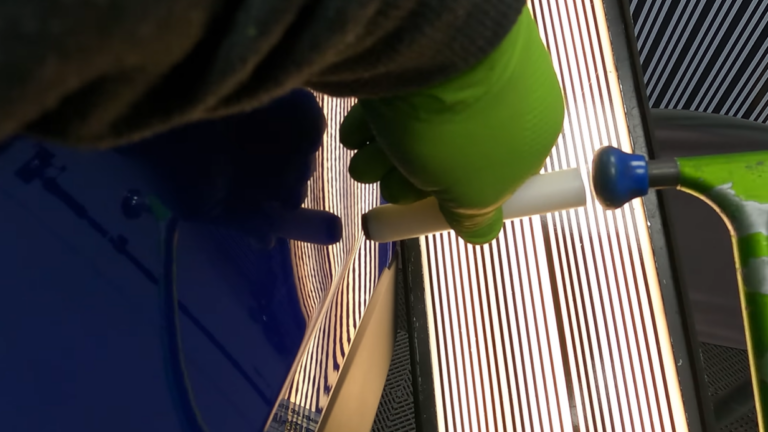
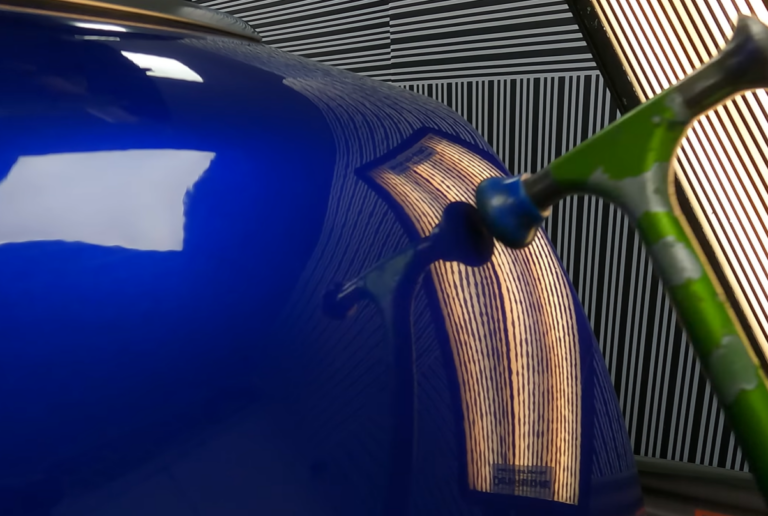
A PDR technician works from behind the panel (or through a small access point) using specialty rods and glue-pulling tools to slowly push or pull each dent until the surface is level again. Reflector boards and lighting let them see the tiniest highs and lows in the metal, so the finish is checked dent by dent rather than by eye from a distance.
Because the original factory paint is never touched, there is no colour-matching, no fillers and no overspray. Mobile technicians can often do the work at your home, office or workplace parking lot — see how our mobile service works.
When PDR works well
- The paint is intact — no cracks, chips or flaking inside the dent.
- The dents are shallow and rounded rather than sharply creased.
- The metal can be reached from behind or through an access point.
- The damage isn’t concentrated on a hard-to-reach edge or body line.
When another repair may be needed
- Paint is cracked or chipped inside the dent.
- A panel has been stretched or creased so badly it won’t return to shape.
- The dent sits on a heavily reinforced edge where tools can’t get leverage.
- Aluminum panels with very sharp damage may need a different approach.
A good technician will tell you honestly, panel by panel, what PDR can and can’t fix before any work starts.
How Much Does Hail Repair Cost in Las Vegas?
Hail pricing is driven by the number of dents, their size, and which panels they are on. Our current PDR price guide gives these ballpark ranges:
| Damage level | Typical range | Notes |
|---|---|---|
| Light hail | $400 – $800 | Few dents per panel; often only one or two panels |
| Moderate to severe hail | $800 – $2,500+ | Multiple panels; full-vehicle estimates are common |
Roof and hood dents take more time because the technician must often work around bracing and insulation. Aluminum panels take longer than steel. That is why two cars with “similar” damage can receive different quotes.
Does Insurance Cover Hail Damage?
Hail is normally covered under the comprehensive portion of an auto policy, not collision, because it is damage from a non-collision event. If you carry comprehensive, you will typically pay your deductible and the insurer pays the rest. If the repair estimate is close to or below your deductible, paying out of pocket and skipping the claim can make more sense.
Coverage depends on your specific policy, so confirm the details with your insurer. For a full breakdown, read Does Car Insurance Cover Paintless Dent Repair in Nevada?.
What to Do After a Hail Storm
- Photograph everything. Take wide shots of each side and close-ups in good light, ideally before you wash the car. Include the date.
- Check your policy. Confirm you have comprehensive coverage and find your deductible.
- Get an estimate before you file. A free estimate tells you whether the repair is above or below your deductible.
- Book early. After a big storm, reputable PDR shops fill up quickly, and storm-chaser crews arrive from out of state. Booking soon keeps your options open.
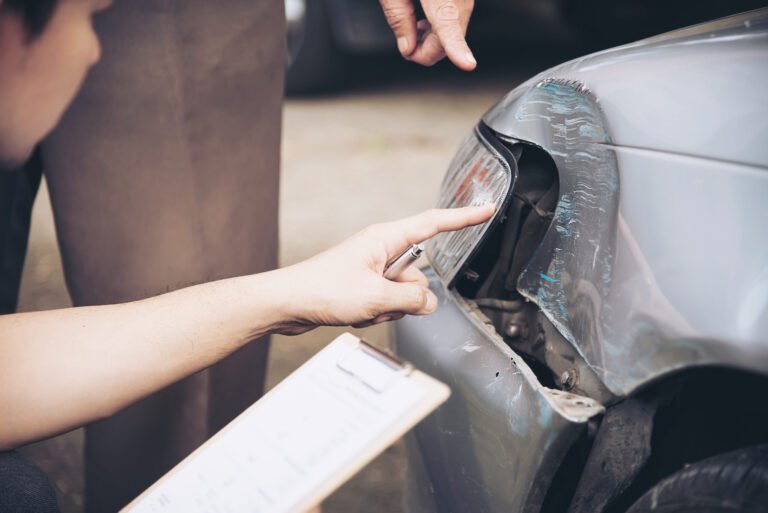
- Ask what’s included. Confirm whether the quote covers every panel you photographed, and how re-inspections are handled.
Choosing a Hail Repair Technician
Not every shop that advertises hail repair does the same quality of work. Before you commit, ask:
- How long have you been doing PDR, and do you work on hail regularly?
- Will you inspect the car in person or with photos before quoting?
- Do you provide a written estimate that lists the panels covered?
- What is your process if you find more dents after the first pass?
- Can you work with my insurance adjuster?
Our full checklist is in How to Choose the Best PDR Technician in Las Vegas.
Hail in the Las Vegas Valley: What Local Drivers Should Know
Hail in Southern Nevada is uncommon, which is exactly why it catches people off guard. Most of it arrives with summer monsoon thunderstorms, typically from July through September, when moisture moves up from the south and builds towering storm cells over the valley and the surrounding mountains. A storm can drop hail on one neighbourhood — say Summerlin or Henderson — while the other side of town stays dry, so it is common for one driver to have a ruined hood and a friend ten minutes away to have nothing.
Desert conditions add a few local wrinkles. Intense sun and summer heat can make panels and paint expand, and heat-baked clear coat is less forgiving than fresh paint. That is one reason technicians look closely at paint condition before promising a result. Dust and grit on a dirty car can also hide smaller dents, so a quick rinse before the inspection helps — after you have photographed the car as it stood.
Parking also matters. Cars left in open lots at shopping centres, apartment complexes and workplaces take the full brunt of a storm, while garages and covered structures protect the roof and hood. If you live in an apartment community without covered spaces, it is worth knowing where the nearest covered parking is before storm season.
A Worked Example: Moderate Hail on a Mid-Size Sedan
To make the numbers concrete, here is an illustrative example. It is not a real customer, and every car is different, but it shows how a hail quote is built.
Imagine a mid-size sedan parked outdoors during a storm. The owner photographs the car and finds roughly 25 dents on the roof, 15 on the hood and 8 on the trunk lid, mostly quarter-sized and shallow, with paint intact everywhere.
| Panel | Approx. dents | Estimate |
|---|---|---|
| Roof | 25 small | $450 – $650 |
| Hood | 15 small | $300 – $450 |
| Trunk lid | 8 small | $150 – $250 |
| Total | 48 dents | $900 – $1,350 |
That puts the job in the moderate range from our price guide. If the owner’s comprehensive deductible is $500, filing a claim makes sense: the insurer would cover the difference. If the deductible were $1,500, the estimate would sit below it and paying directly would be the simpler route. The point of a free estimate before filing is to have these numbers on paper.
How to Protect Your Car Before the Next Storm
- Use covered parking when thunderstorms are forecast: garages, parking structures or carports.
- Use a hail blanket or thick moving blankets if you must park outside. Quilted, padded covers help; a thin dust cover does not.
- Check forecasts during monsoon season and move the car early. Storms can build quickly in the afternoon.
- Review your coverage before storm season, not after. Confirm that comprehensive is on your policy.
- Keep your photos handy. A dated set of pictures of the car in good condition makes it easier to show what changed.
What Drivers Ask After a Big Hailstorm
Hail questions on forums tend to be practical. Owners ask whether they can tell if big hail dents are repairable without going to a shop, and the answer technicians give is to look at the paint first: intact, smooth paint is a good sign, cracks are not. Others ask whether pushing a dent out themselves will make the technician’s job harder, and the consensus is that home attempts can stretch the metal or crack the paint, so it’s better to leave it alone.
Dealer-focused threads add another angle: when hail hits a car lot, insurers typically assess each vehicle and pay an allowance, and the cars are then repaired or discounted. For a private owner, the practical lesson is the same as in the rest of this guide: photograph everything, get a written estimate and compare it with your deductible.
Where this comes from: alongside our own price guide, we reviewed public discussions from Las Vegas drivers on Reddit (including r/PaintlessDentRepair, r/vegaslocals and r/LasVegas), local Facebook groups and Quora. These are individual experiences, not verified statistics, so treat them as colour, not proof, and always get a written estimate for your own car.
Frequently Asked Questions
How long does hail repair take?
Light damage can often be finished in a day. Moderate and severe damage takes longer, sometimes several days, because each dent is worked individually. Your estimate should include a time frame.
Will PDR affect my paint or warranty?
PDR does not remove or replace paint, so the factory finish stays in place. That’s a major reason many owners and dealers prefer it for hail damage.
Do I have to file an insurance claim?
No. If the estimate is under or close to your deductible, many owners pay directly. A free estimate first lets you decide.
Can PDR fix hail damage on an aluminum hood or roof?
Often yes, but aluminum is less forgiving than steel and can take longer. A technician needs to see it before quoting.
Is there a limit to how many dents PDR can fix?
There is no fixed cap, but cost and time rise with the number of dents. Very heavy hail can reach the point where replacing a panel is cheaper than repairing it. A technician will tell you honestly when you reach that threshold.
Will the dents come back?
No. Once the metal has been returned to its original shape it stays there. The repair doesn’t fade or wear like a repaint can.
How soon after the storm should I get an estimate?
As soon as is practical. Early estimates mean you get a spot on the schedule before demand spikes, and fresh photos are easier to tie to a specific storm date for insurance.
What if I find more dents after the repair starts?
It happens on hail jobs, because some dents only show once the panel is cleaned and lit properly. Ask upfront how additional dents are handled and whether the quote covers re-inspection.
Can I tell if PDR will work on big hail dents from photos?
Often, yes. Technicians look at paint condition, depth and location. Send clear photos in open shade with a coin for scale.
Should I try to push the dent out myself?
It’s best not to. Home attempts can stretch the metal or crack the paint, which can turn a simple repair into a difficult one.
Get a Free Hail Damage Estimate
Send a few photos of the damage and we’ll tell you what PDR can do, what it will likely cost, and how long it will take. If an insurance claim is involved, we’ll help with the paperwork a shop normally supplies. Book early after a storm, because the calendar fills quickly.