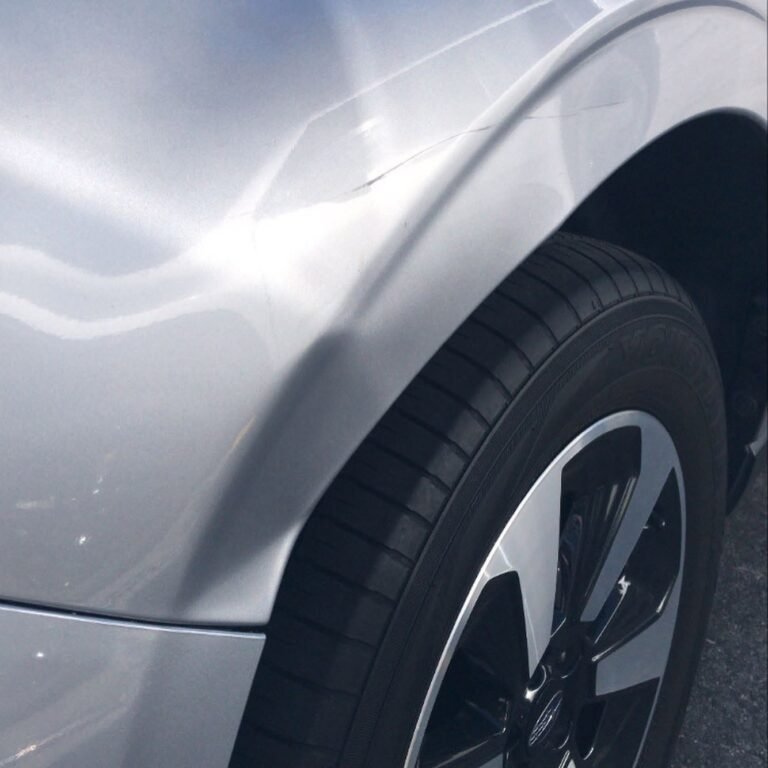

Does Car Insurance Cover Paintless Dent Repair in Nevada?
The short answer: often yes — but it depends on what caused the dent and what your policy includes. Paintless dent repair is accepted by most insurers as a valid repair method, and it’s frequently cheaper than a traditional repaint, which can work in your favour at claim time. Here’s how it usually works in Nevada and what to check before you call your insurer.
This is general information, not legal or insurance advice. Always confirm details with your insurer or agent.
Which Coverage Pays for Dent Repair?
Comprehensive coverage
Covers damage from non-collision events: hail, falling objects, vandalism, and similar. Hail dents are normally handled under comprehensive.
Collision coverage
Covers damage from hitting another vehicle or object, or being hit. A parking-lot dent from another car’s door may fall here, especially if the other driver is unknown.
Another driver’s liability
If someone else caused the damage and is identified, their liability coverage may pay. This usually requires a police or incident report and takes longer.
Liability-only policies
Liability-only coverage does not pay to repair your own vehicle. In that case you would pay directly or pursue the at-fault party.
Should You File a Claim for a Dent?
Compare the repair estimate to your deductible. If the estimate is below or close to it, a claim is unlikely to pay out much, and paying directly avoids any effect on your record. If the estimate is well above the deductible — typical for moderate or severe hail — a claim usually makes sense.
| Situation | What many owners do |
|---|---|
| Single door ding, estimate under deductible | Pay directly |
| Several dents, estimate near deductible | Compare both; ask your agent about the impact of a claim |
| Hail damage, estimate well above deductible | File under comprehensive |
| Dent caused by an identified other driver | Pursue their insurer; get documentation |
Many insurers treat comprehensive claims differently from at-fault collision claims when setting rates, but practices vary. Ask your agent how a claim would affect your premium.
Why Insurers Like PDR
- It’s usually cheaper than a repaint.
- The repair is faster, so rental time is shorter.
- It preserves original paint, which avoids colour-match disputes.
- There’s no refinishing waste or extra labour.
Step-by-Step: Using Insurance for a PDR Repair
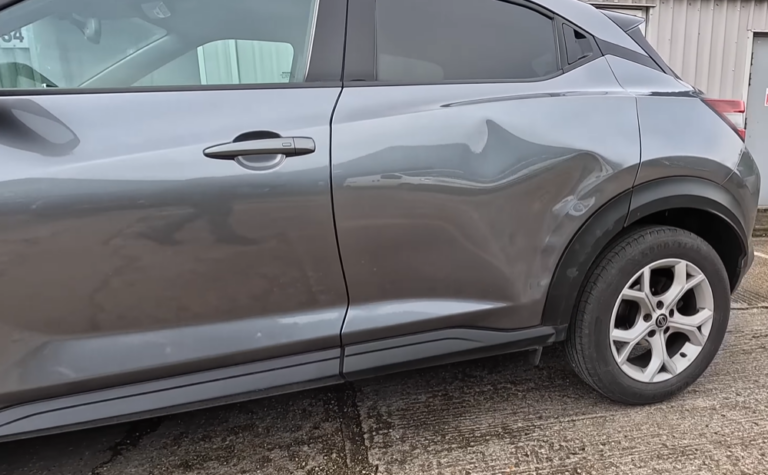
- Document the damage. Take clear photos in daylight, with the date, before washing.
- Check your policy. Confirm coverage type and deductible.
- Get a written estimate. A PDR technician can provide one listing each panel and the price.
- Contact your insurer. Report the claim and ask whether they require their own appraisal.
- Choose your repair shop. In most cases you’re free to choose who repairs your vehicle. Confirm this with your insurer.
- Schedule the repair. After approval, book the work. Keep the invoice and photos for your records.
Common Mistakes to Avoid
- Waiting too long. Insurers can have reporting deadlines, and evidence gets harder to prove.
- Washing or detailing first. Take photos before cleaning so the damage shows clearly.
- Assuming the first quote is final. Supplemental damage found after the first pass is common on hail jobs; ask how it’s handled.
- Signing over claim rights you don’t understand. Read anything before signing it.
What We Provide for Claims
For insured jobs we supply a detailed estimate and invoice for your insurer. If you’re dealing with storm damage, our hail damage guide covers what to do first.
A Worked Example: Should You File or Pay Directly?
Here are two illustrative scenarios. They are not real customers, and your policy may differ, but they show how the decision usually works.
Scenario 1: Parking-lot dents, $500 deductible
A driver finds two dents on the passenger side, caused by an unknown driver. The PDR estimate is $325. The driver’s collision deductible is $500. Since the estimate is below the deductible, filing a claim would pay nothing, so paying directly is the simple choice.
Scenario 2: Hail damage, $500 deductible
After a monsoon storm, a driver gets a PDR estimate of $1,100 for hail dents on the roof and hood. They carry comprehensive coverage with a $500 deductible. The insurer would cover roughly the remaining $600, so a claim makes sense. The driver supplies the estimate and dated photos, and the repair is scheduled after approval.
| Scenario 1 | Scenario 2 | |
|---|---|---|
| Cause | Unknown driver | Hail |
| Coverage that applies | Collision (if any) | Comprehensive |
| Estimate | $325 | $1,100 |
| Deductible | $500 | $500 |
| Insurer pays | $0 | About $600 |
| Sensible approach | Pay directly | File a claim |
Nevada Drivers: Local Points to Keep in Mind
- Monsoon season: storms in July through September are when most hail claims arise in the valley, so check your coverage before then.
- Hit-and-run parking damage: if no one leaves a note, collision coverage is usually the route, and the deductible often exceeds the cost of a small PDR repair.
- Minimum coverage: Nevada requires liability insurance, but liability alone does not repair your own car. Check whether you also carry comprehensive and collision.
- Lease and loan requirements: if you lease or finance, your agreement may require comprehensive and collision. Read the terms.
What Your Estimate Should Include for a Claim
Insurers usually want to see the details, so a useful estimate includes your name and vehicle information, the date and cause of the damage, a panel-by-panel list, and the price for each line. Dated photos are the second half of the file. If you have both, the process is much smoother.
Documents to Keep for Your Insurance File
A tidy file makes a claim faster and helps if there is ever a dispute. Keep these together in one folder, on paper or on your phone:
- Dated photos of the damage before any cleaning or repair
- Your policy declarations page showing coverage and deductibles
- The written repair estimate, with panels and prices listed
- Your claim number and the adjuster’s name and contact details
- Any emails or messages with the insurer
- The final invoice and proof of payment
- After-repair photos showing the finished panels
If the damage came from another driver, add their details, any police or incident report number, and photos of the scene. If the cause was a storm, note the date and time. This is the kind of detail adjusters ask for, and having it ready can save days.
What Local Drivers Say About Deductibles and Claims
Forum posts from Las Vegas drivers show how often the deductible decides the question. One poster said their insurer put a repair at over $1,000 but their deductible was $2,000, so the claim wasn’t processed. A Quora answer made the same point with smaller numbers: a $300 fender dent with a $500 deductible isn’t worth claiming. That’s exactly the situation where paying a PDR technician directly is the simplest route.
Local threads also include a mix of opinions on rates. Some people with insurance backgrounds say comprehensive claims often don’t raise premiums, while others note that it varies by insurer and history. And in at least one reported case, a Las Vegas driver who had an at-fault accident repaired also pursued a diminished-value claim and received a payment. Those experiences differ from policy to policy, so use them as prompts for questions to ask your own agent, not as promises.
Where this comes from: alongside our own price guide, we reviewed public discussions from Las Vegas drivers on Reddit (including r/PaintlessDentRepair, r/vegaslocals and r/LasVegas), local Facebook groups and Quora. These are individual experiences, not verified statistics, so treat them as colour, not proof, and always get a written estimate for your own car.
Frequently Asked Questions
Does a PDR claim raise my insurance rates?
It depends on your insurer and the type of claim. Comprehensive claims are often treated differently from at-fault collision claims. Ask your agent before filing.
Can I choose my own PDR shop?
In most cases yes. Confirm with your insurer, as some policies steer you toward preferred shops.
What if my deductible is higher than the repair?
Then insurance won’t pay anything, and paying directly is the simpler route.
Does insurance cover a door ding from a parking lot?
Only if you have coverage that applies (usually collision) and the cost exceeds your deductible. Many owners pay directly for these small repairs.
What if my insurer wants to use its own shop?
You can ask to use your preferred shop. In most cases you’re free to choose who repairs your vehicle. Confirm with your insurer and ask for it in writing if you’re unsure.
How long does a claim take?
It varies. Simple claims can be approved within days, while storm-related claims can take longer because adjusters are busy. Your estimate and photos speed things up.
What if the insurer’s estimate is lower than mine?
Send your shop’s written estimate and ask for a re-inspection. Differences are common and are often resolved by sharing the technician’s breakdown.
Does insurance cover repairs I do before filing?
Not necessarily. Talk to your insurer before repairing, so they can inspect the damage and approve the repair.
Can I claim diminished value after a repair?
In some situations, when another party is at fault, drivers have pursued it. Whether it applies depends on who caused the damage and your policy, so ask your insurer or agent.
What if the repair is cheaper than my deductible?
Then a claim won’t pay anything, and paying the technician directly is usually simplest.
Need an Estimate for Your Claim?
Send photos and we’ll give you a free estimate you can compare to your deductible before you decide whether to file.