
Lease Return Prep: Why PDR Is Essential Before Turning In Your Car
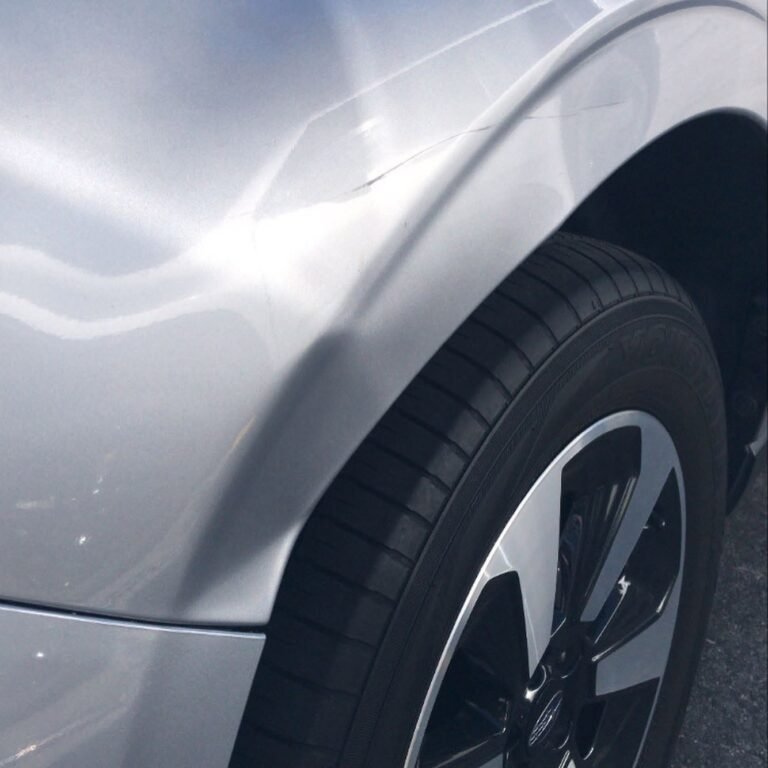
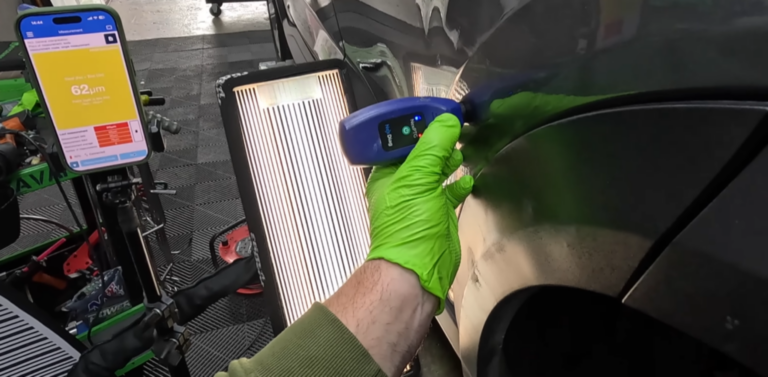
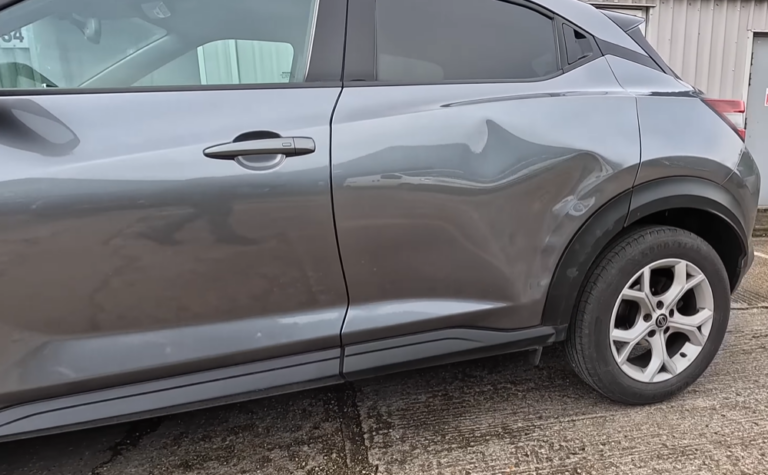
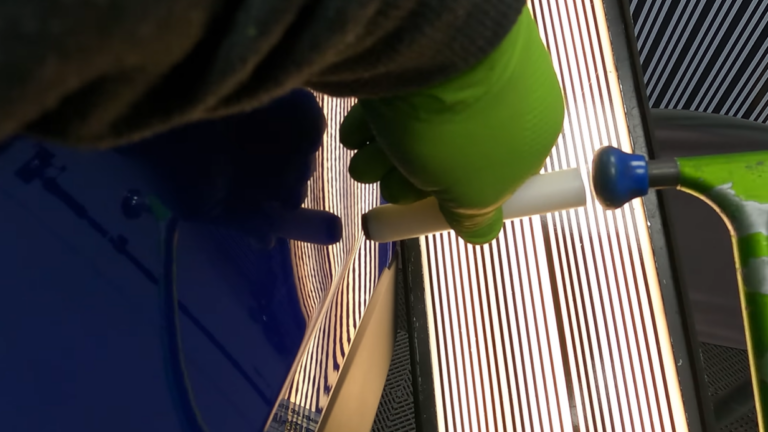
Returning a leased car should be simple: hand over the keys, sign the paperwork and walk away. In practice, many drivers are surprised by a bill for “excess wear and tear,” often for dents and dings they barely noticed. Paintless dent repair (PDR) is one of the most cost-effective ways to prepare for a lease return in Las Vegas, because it fixes common dents quickly and keeps the factory finish.
This guide explains how lease inspections work, which dents are usually chargeable, how PDR compares to paying the charge and how to plan the timing.
How Lease-End Inspections Work
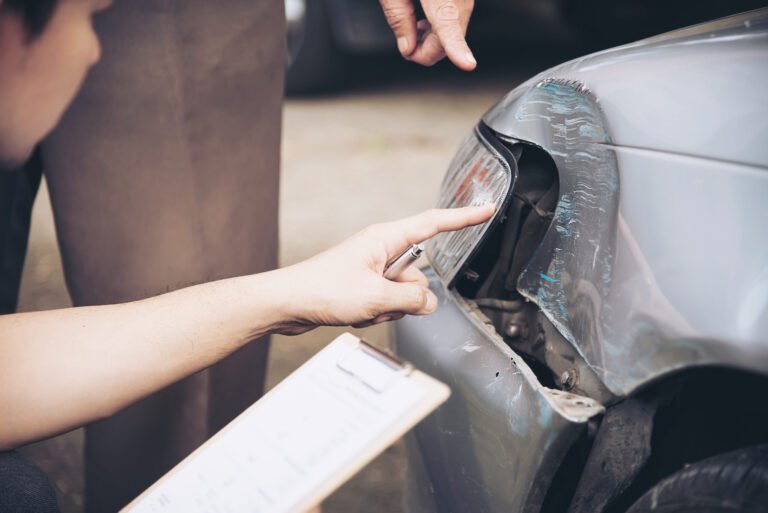
Most leasing companies arrange an inspection before or at the end of your lease. An inspector walks around the vehicle, notes damage beyond “normal wear and tear” and produces a list with estimated charges. Rules vary between companies, but dents are a common item, especially those larger than a certain size, and any dent with paint damage.
Because definitions vary, read your lease agreement. It usually explains what counts as acceptable wear, and gives size limits for dents and scratches. If you can’t find it, ask the leasing company for their wear-and-tear guide. Some companies offer a free pre-inspection, which is a good way to find problems early.
Why PDR Is Often Cheaper Than Paying the Charge
Lease companies often price damage at the cost of a traditional repair, including paint, plus administration. PDR repairs the same dent for far less, because there is no painting or blending. If you fix dents yourself before the inspection, you pay the PDR price rather than the lease company’s rate.
| Pay the lease charge | Fix with PDR beforehand | |
|---|---|---|
| Method | Lease company’s repair estimate | Mobile PDR technician |
| Typical cost | Often higher | Lower |
| Control | Lease company decides | You choose the shop and timing |
| Paint | Often repainted | Factory paint preserved |
A Worked Example: Preparing a Leased SUV for Return
This is an illustrative scenario, not a real customer. A Las Vegas driver has a leased SUV due back in six weeks. A pre-inspection finds the following:
| Item | PDR estimate | Notes |
|---|---|---|
| Two door dings (under 1″) | $150 – $225 | Open access |
| Rear quarter dent (about 2″) | $125 – $200 | Near body line |
| Hood hail dents (3) | $150 – $225 | Shallow, intact paint |
| Bumper scuff | Not PDR | Needs touch-up or polish |
| Total PDR work | $425 – $650 | About 2–3 hours on site |
The driver books a mobile technician four weeks before the return date, leaving time to fix anything missed. The bumper scuff is handled separately with touch-up. By the time of the official inspection, the PDR-suitable dents are gone.
Which Dents Can PDR Fix Before a Lease Return?
- Door dings and parking-lot dents
- Hail dents on the roof, hood and trunk
- Shopping-cart dents
- Minor creases, depending on depth
- Dents on aluminum panels, depending on severity
Which Damage PDR Can’t Help With
- Scratches and scuffs that need paint or polish
- Cracked or chipped paint
- Cracked plastic bumpers
- Curb-rash on wheels
- Interior damage, stains or tears
For these items, you may need a body shop, wheel refinisher or detailer. Ask the technician what they can do and what to get fixed elsewhere.
A Timeline for Lease Return Prep
- 90 days before: read your lease’s wear-and-tear terms and schedule a pre-inspection if offered.
- 60 days before: photograph the car and list all dents and scratches.
- 45 days before: collect estimates for PDR and other repairs.
- 30 days before: book the repairs, leaving time for follow-up.
- 1 week before: wash and detail the car, and gather your service records.
- Return day: keep copies of all paperwork and photos.
Las Vegas Considerations
Many drivers in the valley lease vehicles, and local conditions mean leased cars see plenty of parking-lot use, heat and occasional storms. Summer sun can make older paint more brittle, so a technician will check the paint before working. If your lease ends in summer, book early: schedules tighten, and heat means technicians often work in the early morning or evening.
How Many Dents Are Too Many?
There’s no universal rule, because leasing companies set their own standards. Some allow a few small dents under a certain size, others charge for each one. If you have more than a few dents, fixing them before the inspection is usually worth the cost. If you only have one or two small dings that fall within the allowed limit, you might not need to fix them at all. Check your lease terms or ask the leasing company.
Common Lease-Return Mistakes to Avoid
- Leaving it to the last week. Schedules fill up, and you need time for follow-up.
- Ignoring the lease terms. Size limits and definitions of wear vary, so read yours.
- Repairing without photos. Take before-and-after photos and keep invoices.
- Fixing things the lease allows. Some small dings may fall within normal wear; don’t pay to fix what you don’t have to.
- Skipping the pre-inspection. If it’s free, it’s a great way to learn what will be charged.
- Using a cheap repair that damages paint. A bad repair can cost more than the original charge.
What to Do If You’re Close to the Mileage Limit Too
Dent repair addresses cosmetic wear, but many leases also charge for excess mileage. If you’re near or over the limit, look at the whole picture: buy-out options, lease transfers and extensions may make more sense than spending on cosmetic repairs. Ask your leasing company about your options before you spend money on repairs.
If you plan to buy the car at the end of the lease, cosmetic repairs may be optional, but a clean, dent-free car is still easier to resell. PDR is a good way to protect the car’s value either way.
Choosing Between Pre-Inspection and Just Fixing Everything
If your leasing company offers a free pre-inspection, use it. The inspector’s list tells you exactly what will be charged, so you can fix only what matters and ignore what falls within the allowed wear. If no pre-inspection is available, do your own: photograph every panel, measure each dent against the size limits in your lease and decide which ones to fix. As a rule of thumb, fix anything close to or over the limit, and anything on a prominent panel such as the hood or driver’s door. Small dings well within the limit can often be left alone, though many drivers fix them anyway for peace of mind.
Insurance, Deductibles and Lease Returns: What Locals Say
Lease returns bring insurance questions. Forum posts from Las Vegas drivers show that small dents usually fall under the deductible, so claiming isn’t worth it, and a quote of a few hundred dollars for PDR is simply paid directly. A Quora answer used a $300 dent and a $500 deductible as a typical example. For a lease return, that means the lease charge sheet, not your insurer, is usually the real comparison: PDR now versus the lease company’s charge later.
Drivers also warn about repairing in a hurry. Two bad habits show up: paying a bargain price to someone with no examples of their work, and accepting a roadside offer to “fix it right now.” Either can leave you with marks that an inspector will spot. Book a technician with visible before-and-after work, and give yourself time for a follow-up.
Where this comes from: public discussions from Las Vegas drivers on Reddit (r/vegaslocals, r/LasVegas, r/PaintlessDentRepair), local Facebook groups and Quora, alongside our own price guide. These are individual experiences, not verified statistics, so use them as context and always get a written estimate for your own vehicle.
Frequently Asked Questions
Can I fix dents on a leased car without permission?
Generally yes, as long as the repair doesn’t change the car’s original specification. Check your lease terms if you’re unsure.
Is PDR accepted by leasing companies?
PDR is widely used and often preferred, since it keeps original paint. Check your leasing company’s policy.
What if the inspector still finds damage?
Ask for the itemised list and a repair estimate. You can compare it with your own estimates and challenge charges if they seem high.
How long before return should I book?
Four to six weeks gives you time to fix everything and recheck.
Do you provide an invoice for the lease company?
Yes. We supply a written invoice listing each repair.
Can I fix dents after the lease inspection?
Sometimes, but the charge may already be on file. It’s usually better to repair beforehand.
Should I claim a lease-return dent on insurance?
Usually not, because most dents cost less than a typical deductible. Compare the written PDR estimate with your deductible before deciding.
What if I’m renting a car for a short trip instead?
The same logic applies: photograph the car at pick-up, and ask the rental company about their policy before arranging any repair.
Get Your Lease Return Quote
Send photos of the dents and your return date. We’ll give you a free estimate and suggest a time that leaves room for anything extra.