
The Paintless Dent Repair Process Explained Step by Step
Watching a skilled technician remove a dent can feel a little like magic. But there’s nothing mysterious about paintless dent repair (PDR): it’s a methodical process with a clear sequence of steps. This guide walks through each stage, from the first inspection to the final check, so you know what to expect when you book a repair in Las Vegas.
Step 1: Inspection and Assessment
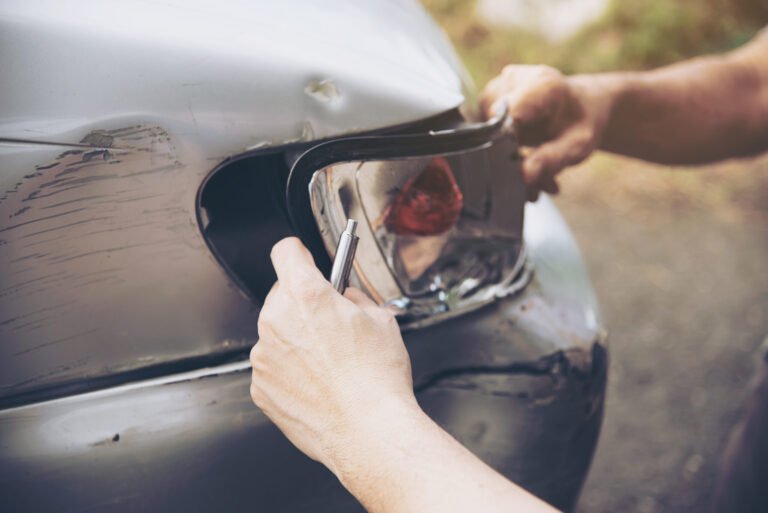
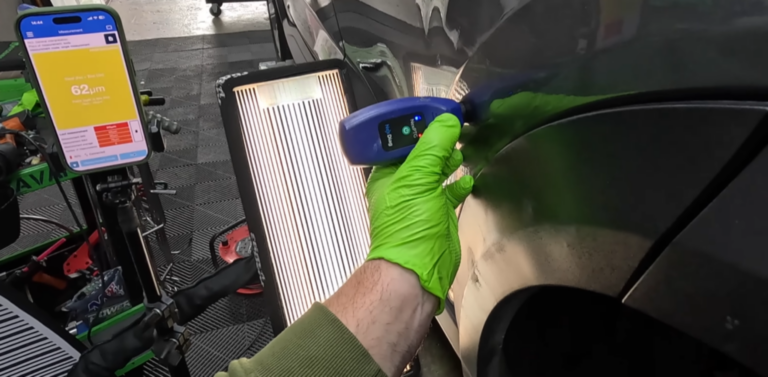
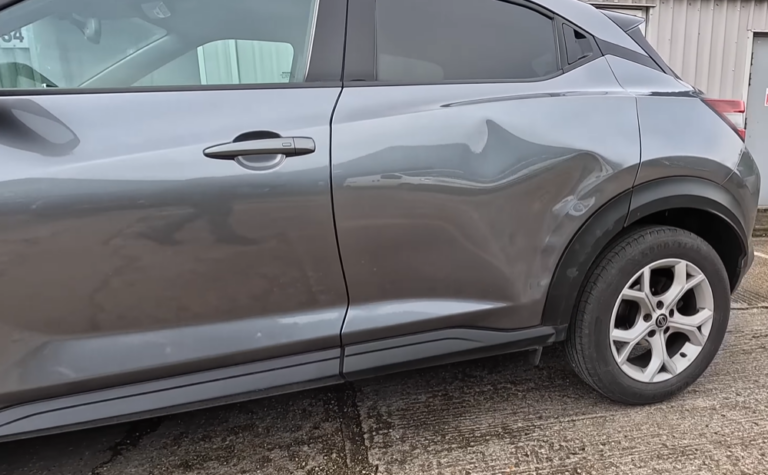
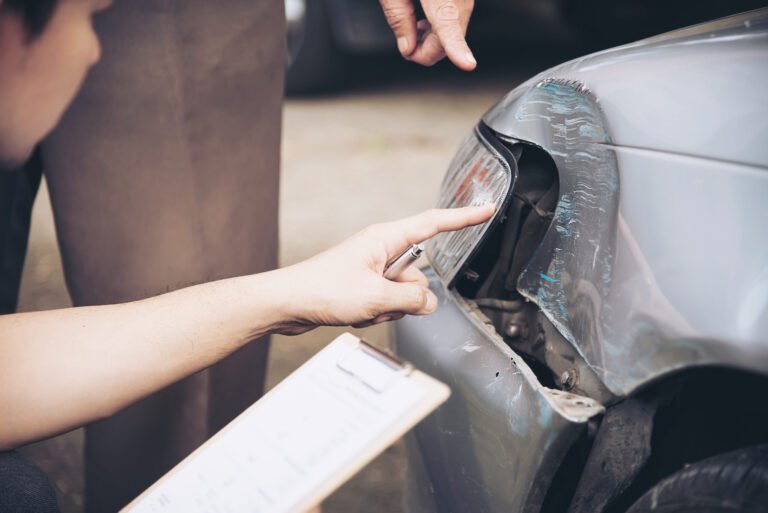
The technician looks at the dent from several angles, often under a reflector light that shows its shape. They check the size, depth and location, look for creases or stretched metal, and examine the paint for cracks or chips. This step decides whether PDR is suitable and what the price should be. If the paint is damaged, or the metal is severely stretched, a good technician will say so before starting.
Step 2: Quote and Agreement
Once the assessment is done, the technician gives you a price or a tight range, explains anything that could change it and asks for your go-ahead. This is a good moment to ask about travel, panel-access work and how long the repair will take. Agree on the price before the work begins.
Step 3: Gaining Access
To work from behind a panel, the technician needs access. On doors this often means removing an inner trim panel or weather stripping; on roofs it might involve lowering the headliner slightly or removing a lamp; on hoods it may mean working through gaps near the bracing. Where there’s no safe access, glue-pull tabs can be used from the outside. This stage can take longer on newer cars, which often have more bracing and electronics hidden behind panels.
Step 4: Setting Up the Light
A reflector board or line light is positioned so its reflection runs across the panel. In the reflection, a dent looks like a distortion in the lines, and the technician uses it to guide every push. This is what makes it possible to see tiny highs and lows that would be invisible to the naked eye.
Step 5: Pushing and Pulling the Dent
Using rods or glue-pull tools, the technician begins at the outer edge of the dent and works inward, with many small movements. The aim is to release the metal gradually, rather than force it, which prevents high spots and stress marks. Large dents are worked in stages, with the technician checking the reflection between each pass.
Step 6: Fine-Tuning and Tapping Down
As the dent approaches flat, tiny high spots may appear. The technician uses a soft-tipped tool and a light hammer to tap these down, then returns to push low spots up again. This back-and-forth continues until the reflection runs straight and smooth across the whole panel.
Step 7: Final Inspection
The panel is checked from multiple angles, in different light, and by touch. If the repair has used glue tabs, the residue is removed with a solvent that doesn’t harm paint. The technician then invites you to inspect the work.
Step 8: Payment and Paperwork
After you’re satisfied, you pay and receive an invoice. If you’re making an insurance claim, the invoice and the earlier estimate form part of your file. See our insurance guide.
A Worked Example: Timeline of a Typical Mobile Repair
This is an illustrative scenario, not a real customer. A technician visits a Las Vegas workplace to repair a medium dent on a driver’s door.
| Time | Step |
|---|---|
| 0:00 | Arrive, greet the customer, inspect the dent and paint |
| 0:10 | Confirm the price and set up the reflector light |
| 0:15 | Remove the door’s inner trim for access |
| 0:25 | Begin pushing the dent with rods |
| 0:55 | Fine-tune and tap down high spots |
| 1:10 | Refit trim and clean the area |
| 1:20 | Final inspection with the customer; payment |
How Long Does Each Type of Repair Take?
- Small ding: often 30 to 60 minutes.
- Medium dent: often 1 to 2 hours.
- Large dent or crease: 2 hours or more, depending on access.
- Hail damage: from a few hours to several days, depending on the number of dents.
What Can Go Wrong?
PDR is a safe method in skilled hands, but problems can arise when a technician rushes, uses the wrong tools or works on paint that is already brittle. Examples include high spots, small paint cracks and incomplete removal. A good technician mitigates these risks by checking the paint first, working in small increments and being upfront about the likely result. If you’re worried, ask what the plan is if the dent doesn’t come out completely.
Conditions That Help the Repair
- Shade or a garage, so panels aren’t scorching.
- Good light, natural or artificial.
- Space to open doors and move around the car.
- A clean car, so the dent is visible.
Special Cases: How the Process Changes
Hail damage
Hail repair follows the same steps but multiplies them. A technician works panel by panel, usually starting with the roof and hood, and checks each dent under light before moving on. Because the number of dents is high, the job can take several hours or days. Roof repairs often involve lowering the headliner or removing a lamp to reach the back of the panel.
Aluminum panels
Aluminum is lighter and less forgiving than steel. It doesn’t move the same way, and rushing can crack the paint or stretch the metal. Technicians use gentler, slower movements, and some dents can only be improved rather than removed fully.
Dents near edges and body lines
Edges are stiff and often reinforced, so there is less room to work and more risk of stress marks. Technicians may use glue-pull tools and careful tapping to gradually bring the metal back.
Dents with minor paint damage
If the paint has a very small chip but is otherwise stable, the technician may still try PDR and then suggest touch-up paint for the chip. If cracks run through the dent, PDR may not be suitable.
How to Tell If a Repair Was Done Well
- Look at the panel from straight on and from a low angle.
- Check how reflections run across the area; they should be smooth and unbroken.
- Run your hand lightly over the surface; it should feel flat.
- View the area in both shade and sunlight if possible.
- Compare it with the same area on the opposite side of the car.
If you see ripples, a high spot or a faint outline of the dent, tell the technician before they leave. Small adjustments are quick when the tools are still out.
Questions Las Vegas Drivers Ask About the Process
Local forum threads tend to ask about the same few steps. Drivers want to know whether a technician will need to remove interior panels (often yes, for dents on quarter panels and doors), whether a hole might be needed for access (sometimes, and it is plugged), and why one shop will quote a low price while another quotes much more. The answer given by experienced technicians is that the low quote often assumes easy access, and the higher one includes the work needed to reach the dent properly.
One Las Vegas thread described a sharp dent on a rear quarter panel where several shops declined to take interior trim apart, which left the owner with few options. It’s a good example of why step 3, gaining access, is the part of the process worth asking about before you agree to a price.
A question to ask at step 2
Before work begins, ask: “What access will you need, and is it included in the price?” A technician who answers clearly has thought about your dent.
Where this comes from: public discussions from Las Vegas drivers on Reddit (r/vegaslocals, r/LasVegas, r/PaintlessDentRepair), local Facebook groups and Quora, alongside our own price guide. These are individual experiences, not verified statistics, so use them as context and always get a written estimate for your own vehicle.
Frequently Asked Questions
Does PDR hurt the paint?
No. The method doesn’t remove or replace paint, and a skilled technician works gently to avoid cracking it.
Why does the technician remove interior trim?
To reach the back of the panel. It is refitted after the repair.
Can every dent be fixed with PDR?
No. Dents with cracked paint, severe stretching or no access may need conventional repair.
How do I know it’s finished properly?
Look at the panel from several angles, in different light, and check that the reflection runs smoothly.
Is glue-pulling safe?
Yes, when done correctly. The glue and removal solvent are designed not to harm paint.
What if I’m not happy with the result?
Tell the technician straight away. Ask upfront what the shop’s policy is for touch-ups.
Why do some shops refuse hard dents?
Some dents need extensive trim removal or access work, and some technicians prefer to avoid that. Ask whoever you choose whether they’re comfortable with your dent.
Does the process change for aluminum panels?
Yes. Aluminum is less forgiving, so the work is slower and some dents can only be improved.
Book a PDR Repair in Las Vegas
Send photos of your dent and we’ll tell you what the process will look like, what it’ll cost and when we can come to you.