
Hail Storm Season in Las Vegas: How to Protect Your Car
Las Vegas isn’t known as hail country, which is exactly why hail catches so many drivers off guard. When a summer thunderstorm builds over the valley and drops ice onto parked cars, the damage can be dramatic, and the insurance and repair scramble that follows is stressful. A little preparation makes a big difference. This guide covers when hail is most likely in Southern Nevada, how to protect your car before a storm, and what to do if it’s too late.
When Is Hail Season in Las Vegas?
Southern Nevada’s storm season is tied to the summer monsoon, which typically runs from around July into September. Moist air moves up from the south, daytime heating builds tall clouds, and afternoon or evening thunderstorms can develop over the mountains and drift across the valley. Not every storm produces hail, and hail is not common, but when it does form, it can be large enough to dent panels. Storms can also occur outside the monsoon months, especially in spring or autumn when weather systems pass through.
Because storms are patchy, one neighbourhood may be hit while another stays dry. That’s why it’s worth checking forecasts and radar during storm season, rather than assuming you’re safe.
How Hail Damages Vehicles
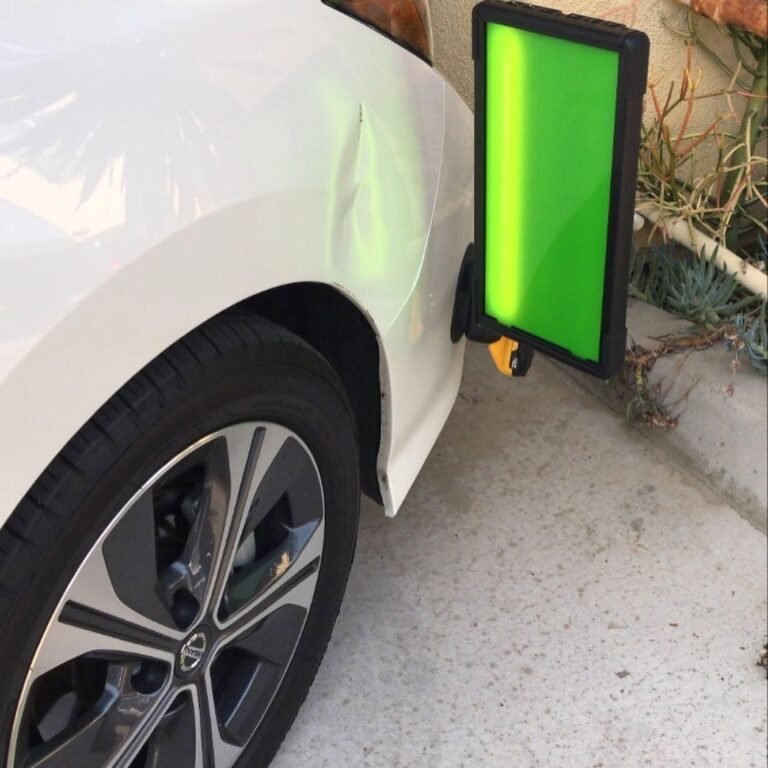
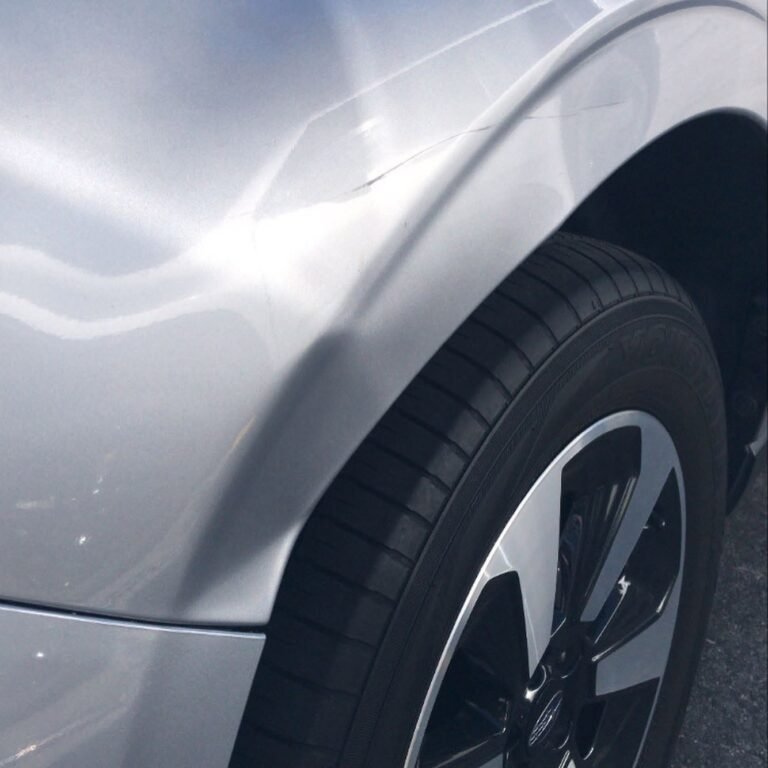
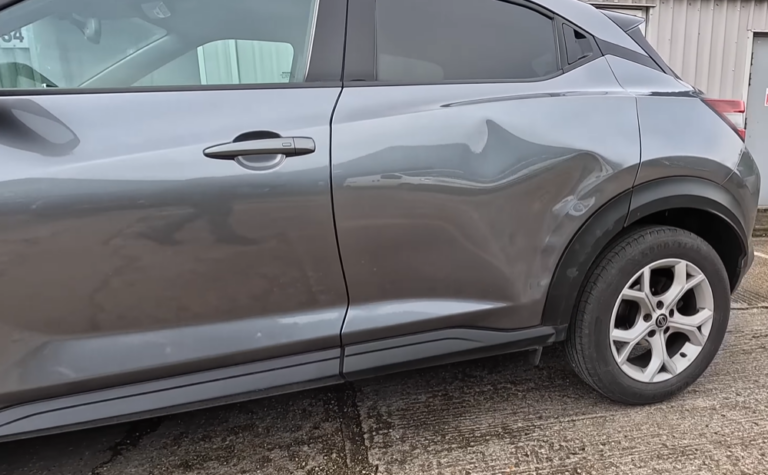
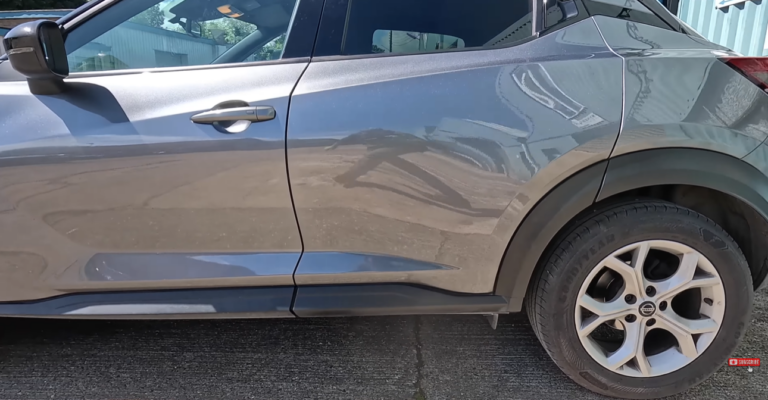
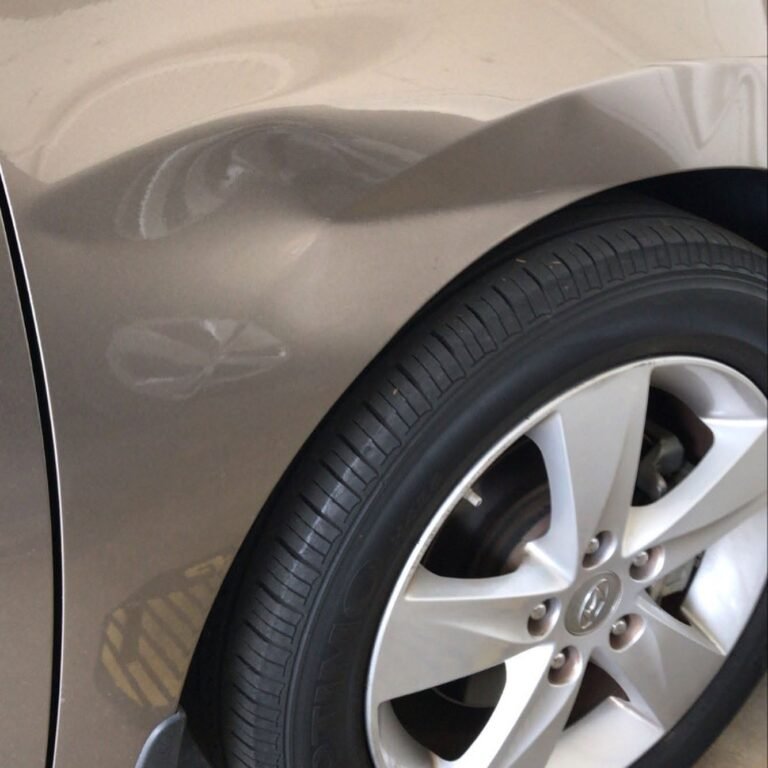
Hail falls from above, so horizontal surfaces take the brunt: roof, hood and trunk lid, followed by the tops of fenders and quarter panels. The damage is typically round, shallow dents, often in clusters. Larger stones can leave deeper dents or crack glass and plastic. Intact paint is common, which is why paintless dent repair is the standard method for repairing it.
Before the Storm: How to Protect Your Car
- Park under cover. A garage, carport or parking structure is the best protection.
- Use a hail blanket or heavy padding. Quilted covers designed for hail, or thick moving blankets secured with straps, reduce impact. Thin dust covers don’t help.
- Check the forecast. Move the car early, since storms can build quickly in the afternoon.
- Avoid parking under trees. Branches can add to the damage in wind.
- Know your coverage. Confirm that comprehensive is on your policy before storm season.
If You’re Caught Out in the Open
- Don’t go outside during hail; your safety matters more than your car.
- If you’re driving, find shelter such as a parking structure or covered gas station canopy.
- If there’s no cover, park facing the storm if you can, so the windshield, which is stronger than other glass, takes the brunt. Stay inside with your back to the windows.
- Wait until the storm has passed before checking for damage.
After the Storm: A Checklist
- Photograph the whole vehicle, with close-ups of each panel, before washing.
- Check the roof, hood, trunk lid, fenders and windshield.
- Note the date, time and location of the storm.
- Review your policy: comprehensive, deductible and any hail-specific terms.
- Get a written estimate from a PDR technician.
- Decide whether to file a claim, comparing the estimate with your deductible.
- Book early, because schedules fill up after storms.
A Worked Example: Protecting and Repairing a Car in Storm Season
This is an illustrative scenario, not a real customer. A Las Vegas driver has a sedan parked outside at an apartment complex. A forecast warns of thunderstorms. The driver moves the car to a nearby parking structure, and the storm passes with no damage. Later that summer, a second storm arrives while the car is at work in an open lot, and the roof and hood take a few dozen small dents.
| Item | Estimate |
|---|---|
| Roof, 22 small dents | $400 – $600 |
| Hood, 14 small dents | $250 – $400 |
| Total | $650 – $1,000 |
With a $500 comprehensive deductible, the driver files a claim, and the insurer covers the difference. The driver had saved dated photos, and the technician provided an itemised estimate. The repair took about a day.
Should You Buy a Hail Cover?
Hail covers are padded or inflatable and can reduce damage from small to moderate stones, but they’re not a guarantee against large hail. They’re worth considering if you can’t park under cover and live where storms are frequent. For Las Vegas, where hail is occasional, many drivers rely on covered parking and insurance. A basic quilted cover or thick blankets can be a low-cost backup for the odd day when a storm is forecast.
Insurance and Hail
Hail is typically covered under comprehensive. Check your policy before storm season, and know your deductible. If you don’t have comprehensive, adding it takes a call to your agent, but coverage normally can’t be added after a storm is already forecast or has happened. For more detail, see our insurance guide.
Why Fast Action Helps
After a large hail event, schedules at PDR shops fill quickly, and storm-chaser crews may arrive from out of state. Booking early gives you more choice. Prompt photos also tie the damage to a specific storm date, which makes insurance claims easier. And dents don’t get worse with time, but delays can cause paint problems and make it harder to document what changed.
Preparing Your Household for Storm Season
Hail protection isn’t just about the car. A little household preparation makes storm season less stressful. Keep your insurance details and policy number somewhere you can reach them, along with your agent’s contact information. Store a small set of items in the car or home: a phone charger, a torch and a few thick blankets that can double as covers. Know where the nearest covered parking is, whether it’s a parking structure, a shopping centre garage or a neighbour’s carport.
It’s also worth setting up weather alerts on your phone, so you get a warning when a severe thunderstorm is forecast for your area. A 20-minute notice is often enough to move a car under cover. If you share a car with family, agree on a plan for who moves it. These are small steps, but they’re the difference between a dry car and a repair bill.
A Simple Storm-Season Routine
- Before July: confirm comprehensive coverage and your deductible.
- Keep dated photos of your car in good condition.
- Set weather alerts on your phone.
- Identify covered parking near home and work.
- Keep a hail blanket or heavy padding in the trunk.
- After any storm: photograph, document and get an estimate.
What Drivers Ask After a Las Vegas Storm
After storms, local groups fill with the same few questions: who can fix hail damage, how much will it cost, and whether to claim. Quora threads on hail go further, asking how to tell whether large hail dents are repairable without visiting a shop, and what dealers do when a storm hits an entire lot. The answers from technicians are consistent: check the paint, photograph everything and get a written estimate.
Dealers handle hail by having insurers evaluate each vehicle, paying an allowance, then repairing or discounting the cars. A private owner doesn’t have that scale, but the same principle applies: document first, estimate second, decide on a claim third.
Where this comes from: public discussions from Las Vegas drivers on Reddit (r/vegaslocals, r/LasVegas, r/PaintlessDentRepair), local Facebook groups and Quora, alongside our own price guide. These are individual experiences, not verified statistics, so use them as context and always get a written estimate for your own vehicle.
Frequently Asked Questions
Does hail damage always need repair?
Not always, but it affects appearance and resale value. Get an estimate to decide.
Can hail crack my windshield?
Large hail can. Glass damage is usually handled separately from dents.
Will washing my car after hail make the dents harder to see?
No, but photograph the damage first, since dust can hide subtle dents.
How soon should I file a claim?
As soon as practical. Insurers have reporting deadlines, so check your policy.
Can PDR fix hail on an aluminum hood?
Often, but aluminum is less forgiving and may take longer.
Is hail common in Las Vegas?
No, but when it occurs it can be severe, which is why preparation helps.
Is it worth asking local groups for recommendations after a storm?
Yes, but be careful. After storms, out-of-town crews and opportunists appear. Choose someone with visible local work and a written estimate.
Can I tell if big hail dents are repairable at home?
Look at the paint: intact and smooth is a good sign. A technician can usually tell more from photos.
Book a Hail Damage Estimate
Send photos of the damage. We’ll tell you what PDR can do, what it will cost and how soon we can help.