
Top 5 Signs Your Car Needs Paintless Dent Repair
Most drivers only think about dent repair after something dramatic happens, but plenty of cars quietly collect damage for months before the owner decides to do anything. Small dents are easy to ignore, and then they become harder to ignore, or more expensive. This guide covers five clear signs that your car needs paintless dent repair (PDR), plus what to do about each and when to act.
Sign 1: Visible Dings on Doors and Panels
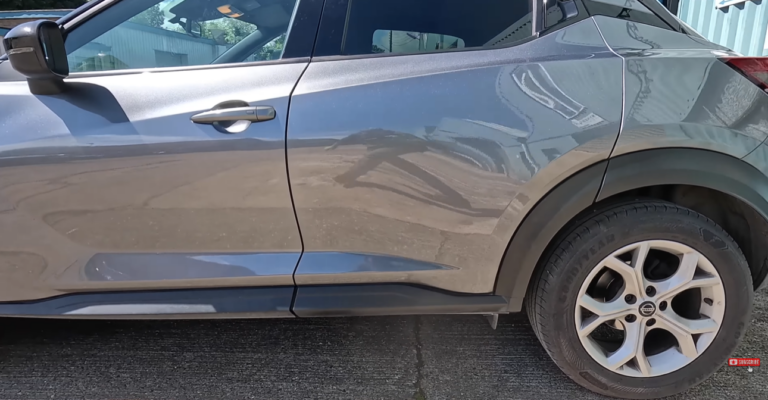
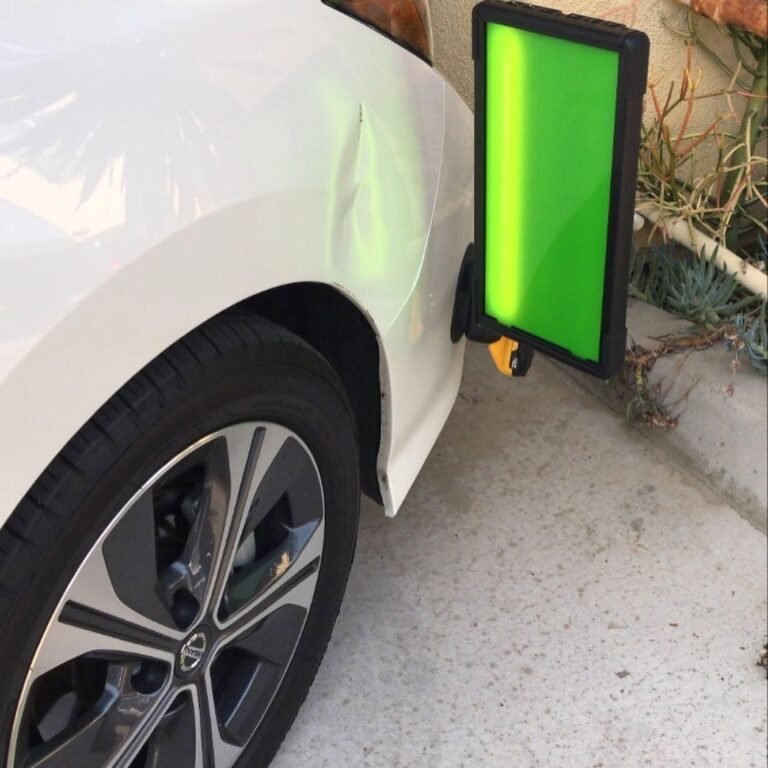
The most obvious sign is a ding you can see. Door dings, shopping-cart dents and parking-lot dents are typically round, shallow and clean, and they’re the textbook case for PDR. If you can see the dent from a few feet away, most other people can too. These are the cheapest dents to fix, and they only get more costly if more dings join them.
Sign 2: Distorted Reflections
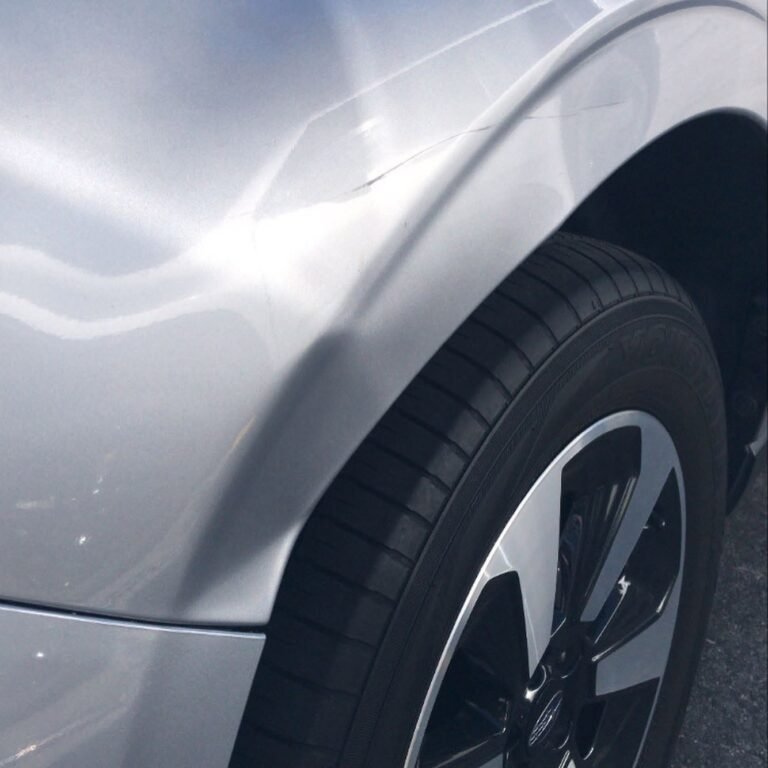
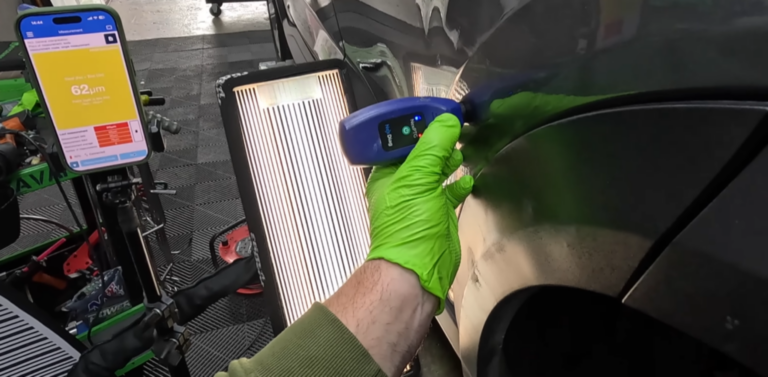
Look along the side of your car in good light. If the reflection of a building or tree wobbles or breaks as it passes over a panel, there’s a dent there, even if you can’t see it head-on. Hail damage often shows up this way, as a pattern of small distortions across the roof and hood. Walking around the car in shade in the morning or evening is the best way to spot them.
Sign 3: Damage After a Hail Storm
If a storm has passed through Las Vegas, check the roof, hood and trunk lid, even if you saw nothing at the time. Shallow hail dents are easy to miss until you look at them under the right light. Photograph everything before you wash the car, then get an estimate. See our hail damage guide.
Sign 4: Dents With Intact Paint
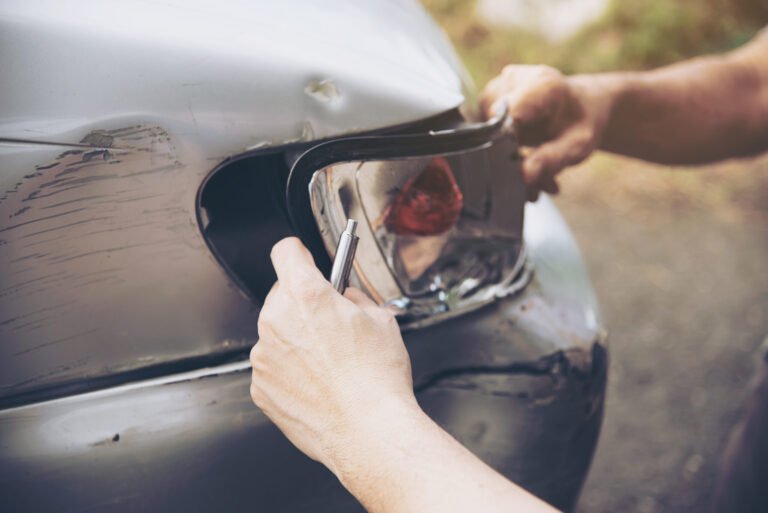
The best sign that PDR will work is that the paint hasn’t cracked. Run your finger over the dent and look closely at the paint: if it’s smooth and unbroken, the repair can likely be done without paint. If you see chips, cracks or flaking, PDR may not be suitable, and the sooner you deal with it, the better, since bare metal can rust.
Sign 5: A Car You’re About to Sell, Trade or Return
If you’re selling a car, trading it in or returning a lease, dents cost you money. Buyers and appraisers treat dents as signs of neglect, and lease companies charge for them. PDR is a cost-effective way to put things right beforehand, and it keeps the original paint, which matters when your car’s paint history is checked. See our lease return guide.
Bonus Sign: A Dent That Keeps Getting Worse
Dents don’t usually get worse on their own, but the paint around them can. In Las Vegas, summer sun and heat age clear coat, and a small stress crack at the edge of a dent can spread. If you notice a hairline crack forming, act sooner rather than later.
A Worked Example: A Driver Who Waited Too Long
This is an illustrative scenario, not a real customer. A Las Vegas driver notices a small ding on the driver’s door and decides to leave it. Over the next eighteen months, two more dings appear on the same side, and a nearby paint chip starts to peel in the summer heat.
| When | Damage | Likely cost |
|---|---|---|
| First ding, fixed straight away | 1 ding | $75 – $125 |
| Eighteen months later | 3 dings plus a paint chip | $300 – $500 for PDR, plus touch-up |
| If paint has cracked | Panel needs repainting | Often $600 or more |
Fixing the first ding straight away would have cost the least, and avoided the extra work. That’s the main message of this guide: small dents are the cheapest to fix, and early repairs keep options open.
A Quick Self-Check Routine
- Wash the car and park it in open shade.
- Walk slowly around it, looking along each side.
- Check the roof, hood and trunk for round, shallow dents.
- Look at reflections for waves or breaks.
- Photograph anything you find, with a coin for scale.
- Send the photos for a free estimate.
Why Local Conditions Matter
Las Vegas has plenty of tight parking at shopping centres, casinos and apartment complexes, and summer storms that sometimes bring hail. Heat also affects paint over time, so early repairs, while paint is healthy, are more reliable. A car that spends its life outdoors, especially in shopping centre parking, is likely to collect a few dings. Regular checks mean you catch them early.
How to Photograph Dents So They Actually Show Up
Dents are notoriously hard to capture on a phone, because they’re defined by shape rather than colour. A few simple habits make a big difference. Shoot in open shade rather than direct sun, so reflections are soft and clear. Take one photo straight on and one from a low side angle, because the side view shows depth. Hold a ruler or coin beside the dent for scale. If the car is dark, a white card or sheet held near the panel can make the reflection easier to read.
For hail, take a series of photos across each panel rather than a single wide shot, and note the date and the storm. These photos help the technician give an accurate estimate and help your insurer understand the damage. Keep them in one album so you can find them quickly.
Dents You Shouldn’t Ignore
- Any dent where the paint has cracked, since moisture can reach bare metal.
- Dents near seams, edges or the door jamb, where water can collect.
- Dents on the roof or hood after a storm, when more dents may be hidden.
- Dents that appear to be spreading or have a crack forming at the edge.
- Any dent affecting a door, hood or tailgate latch or alignment.
Most dents are cosmetic, but any dent that affects how a panel closes or aligns deserves a professional look. And if there’s ever structural damage after a collision, a body shop should assess it first.
What Happens If You Do Nothing?
Leaving a dent alone is a legitimate choice, and for a tiny ding on an old car it may be the right one. But it’s worth knowing what you’re choosing. Cosmetic dents can lower resale and trade-in value, and appraisers often deduct more than the cost of repair. Dents with cracked paint can allow moisture in, leading to rust over time. And dents tend to accumulate: a car with a few dings looks neglected, which makes buyers wonder what else has been ignored. A quick estimate costs nothing and lets you decide with real numbers.
What Drivers Say They Wish They’d Known
Reading Las Vegas threads, a few regrets come up repeatedly. Drivers say they waited too long, then found the dent had been joined by others. Others tried a home fix or a cheap one, and a technician pointed out that earlier attempts can make a repair harder, because the metal has already been stressed. Quora answers from working technicians add that PDR itself doesn’t cause long-term paint problems; any paint damage normally comes from whatever caused the original dent.
The practical takeaway is simple. Get a free assessment early, avoid pushing or pulling the dent yourself, and judge any technician by their before-and-after work, not just their rating.
Rental cars
A frequently asked Quora question is what to do about a small dent on a rental you’re about to return. Check your rental agreement and photograph the car before and after you pick it up. If you’re in Las Vegas on a visit, a mobile PDR technician can sometimes repair a small ding before the return date, but confirm the rental company’s policy first.
Where this comes from: public discussions from Las Vegas drivers on Reddit (r/vegaslocals, r/LasVegas, r/PaintlessDentRepair), local Facebook groups and Quora, alongside our own price guide. These are individual experiences, not verified statistics, so use them as context and always get a written estimate for your own vehicle.
Frequently Asked Questions
How do I know if a dent is suitable for PDR?
If the paint is intact and the metal can be reached from behind or with glue tabs, it’s usually suitable. Send photos for a free assessment.
Do small dents matter?
They affect appearance and resale value, and they’re the cheapest to fix. Waiting rarely saves money.
Can I see hail dents myself?
Often yes, with good light and a careful look at reflections. A technician sees them more easily.
Will the dent get bigger?
Not usually, but the paint around it can crack with age and heat.
How much does it cost to fix a ding?
Small dings are typically $75 to $125. See our price guide.
Do I need to book far ahead?
Not usually, except after a storm, when schedules fill quickly.
Can I fix a rental car dent before returning it?
Sometimes, but check your rental agreement first. Some companies require repairs to be done by approved shops, and unauthorised repairs can cause problems.
Will trying to push out a dent myself make it worse?
It can. Forum technicians warn that home attempts can stretch the metal or crack paint, making the repair harder.
Think Your Car Needs PDR?
Send us a photo and we’ll tell you whether PDR will work, what it will cost and when we can come to you.