
PDR vs Traditional Dent Repair: Which Is Right for You?
Choosing between paintless dent repair (PDR) and traditional body shop repair isn’t always obvious. Both fix dents, but they work very differently, cost different amounts and suit different types of damage. This guide compares the two, explains when each makes sense and helps you decide, with a Las Vegas focus.
How Traditional Dent Repair Works
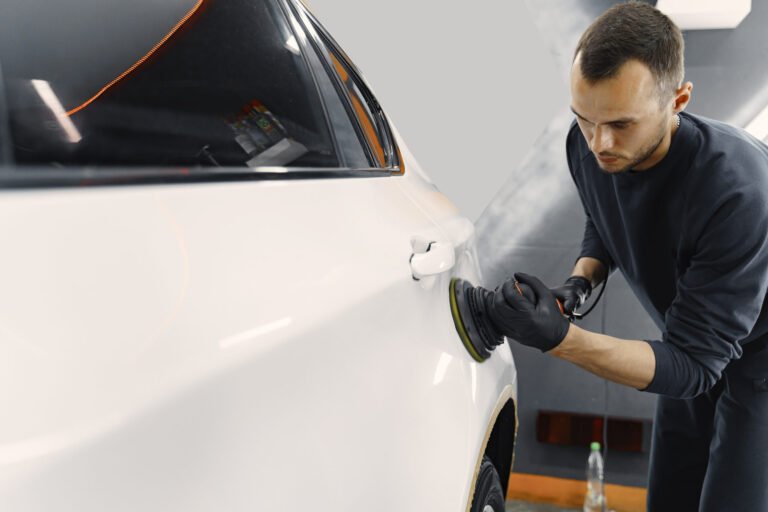
Traditional repair starts by pulling or hammering the dent as flat as possible. The area is then sanded, filled with body filler, smoothed, primed, painted and finished with a clear coat. To make the colour look consistent, the shop often blends the new paint into neighbouring panels. The panel then has to dry or cure. The process is well suited to damage that has broken the paint or can’t be fixed by reshaping alone.
How PDR Works
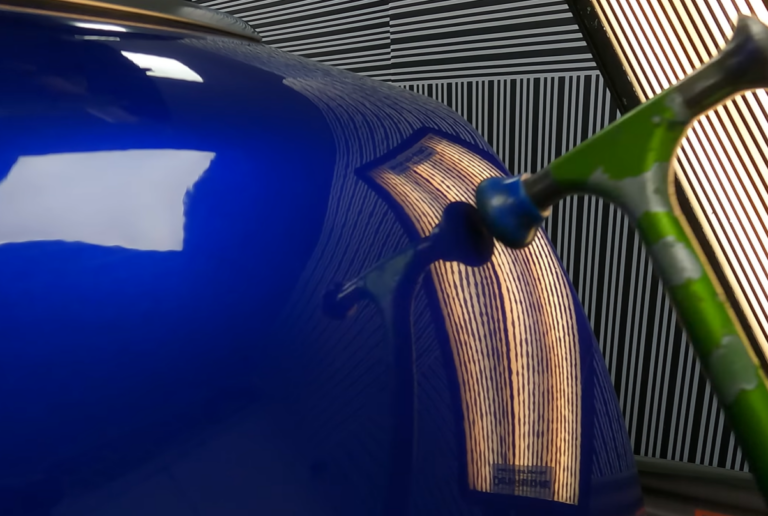
PDR reshapes the metal from behind without disturbing the paint. There is no filler, no sanding and no repainting, so the original finish stays. For more detail on the technique, see The PDR Process Explained Step by Step.
Side-by-Side Comparison
| PDR | Traditional repair | |
|---|---|---|
| Method | Metal reshaped from behind | Fill, sand, prime, paint |
| Original paint | Preserved | Replaced in the repaired area |
| Typical cost | Lower | Higher |
| Typical time | Hours | Days |
| Colour matching | Not needed | Required |
| Rental car | Rarely | Often |
| Environmental impact | Minimal | Paint and solvent use |
| Best for | Dents with intact paint | Cracked paint, major damage |
A Worked Example: One Dent, Two Quotes
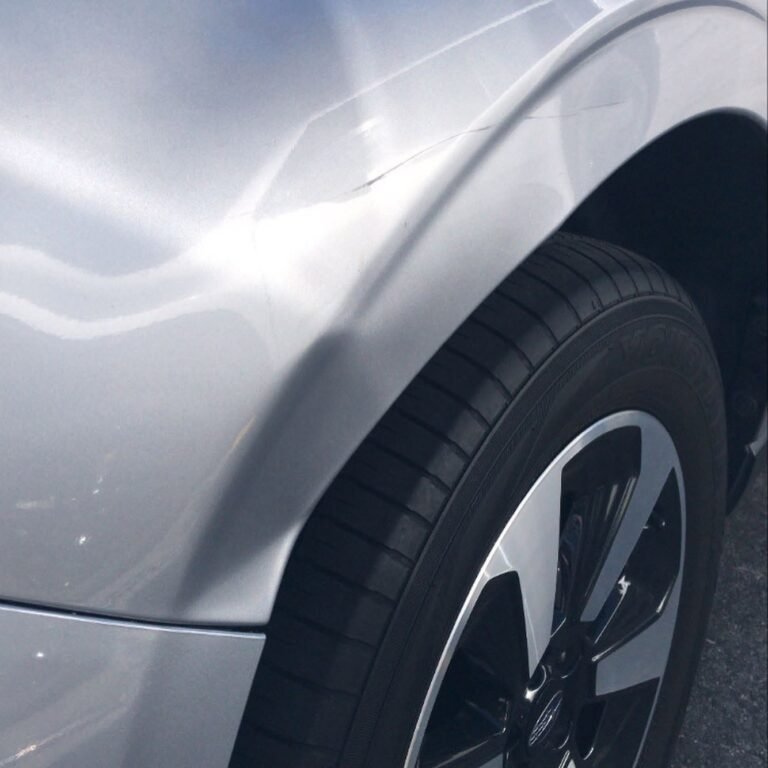
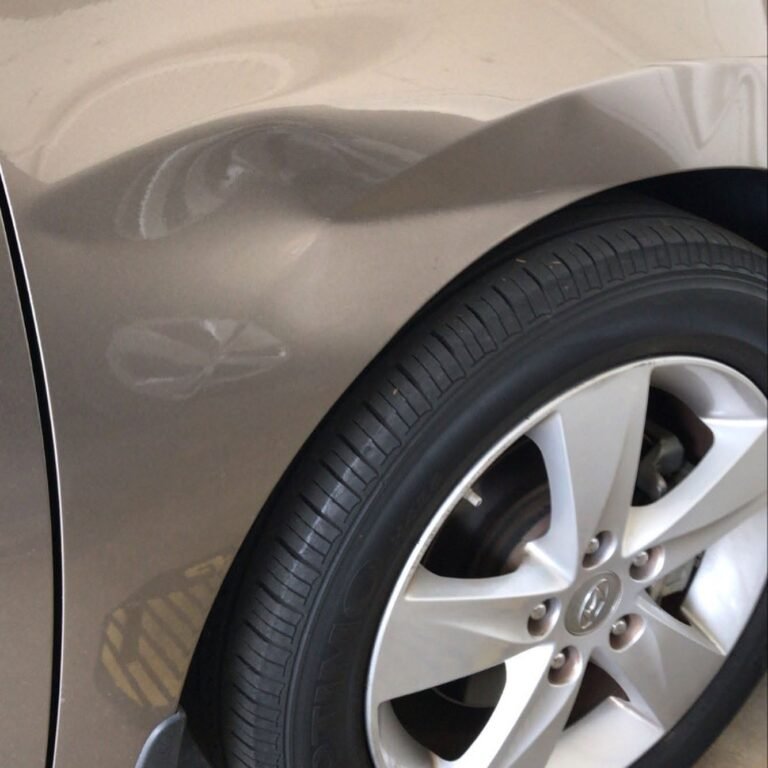
This is an illustrative example, not a real customer. A Las Vegas driver has a basketball-sized shallow dent on the hood of a four-year-old white sedan. The paint is intact. They get two quotes.
| PDR technician | Body shop | |
|---|---|---|
| Scope | Reshape the dent from behind | Fill, sand, paint and blend the hood |
| Estimate | About $250 – $400 | About $700 – $1,200 |
| Time | 2–3 hours, on site | 3–5 days at the shop |
| Rental car | Not needed | Likely |
| Result | Original paint intact | New paint on the hood |
For this dent, PDR is cheaper, faster and preserves the factory finish. If the same dent had cracked the paint, the comparison would flip: PDR would be unsuitable, and the body shop would be the sensible choice.
When PDR Is the Better Choice
- Door dings and parking-lot dents with intact paint
- Hail damage
- Newer or leased vehicles where original paint matters
- When you want a same-day repair at home or work
- When you’re preparing a vehicle for lease return or resale
When Traditional Repair Is the Better Choice
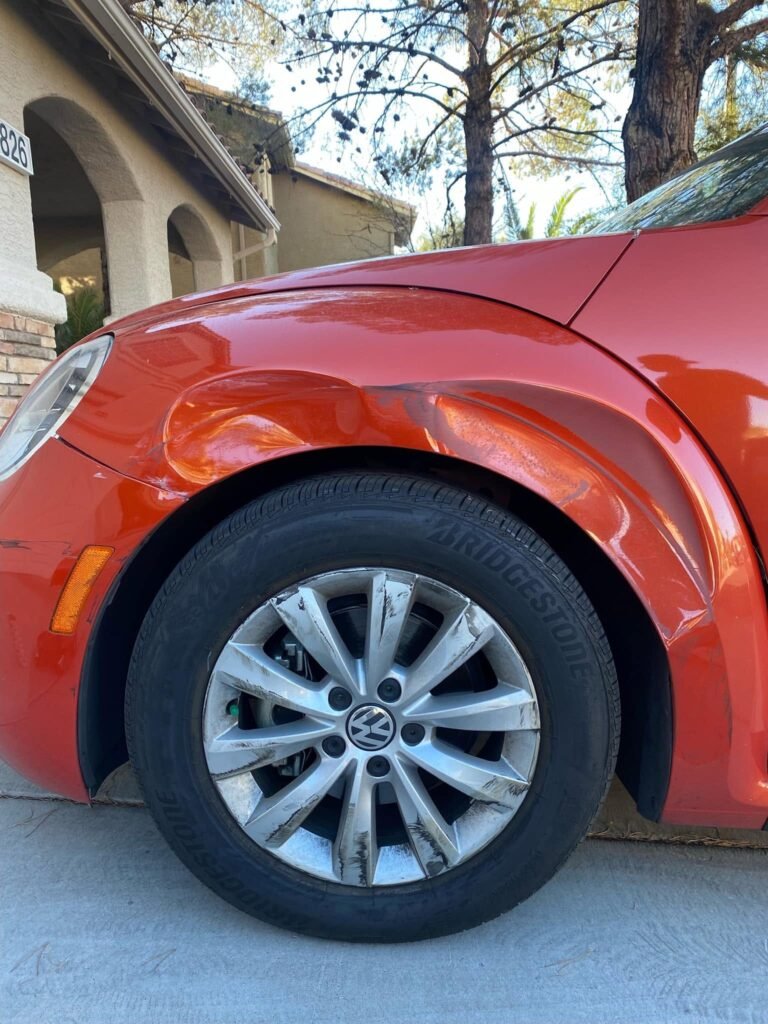
- The paint is cracked, chipped or flaking.
- The panel is badly stretched, folded or torn.
- Parts need replacing, such as bumper covers or lamps.
- The damage is structural.
- A sharp crease sits on a panel edge that tools can’t reach.
The Las Vegas Factor
Southern Nevada’s sun and heat are hard on paint. A fresh repaint has to match paint that has baked in the sun for years, and differences can show, especially on metallic or pearl finishes. PDR avoids that issue entirely. The climate also affects timing: PDR technicians often work early or in shade in summer, while body shops work indoors but may have waiting lists. On balance, for suitable dents, PDR’s speed and on-site convenience suit the way people live in the valley.
Does PDR Affect Resale Value?
Many buyers and dealers use paint-depth gauges to check for repainted panels. A PDR repair leaves factory paint untouched, so there’s nothing to flag. Repainted panels may reduce value or lead to questions, even when the work is good. That is a reason many owners prefer PDR when it’s an option.
Can You Combine Both?
Yes. If your vehicle has several types of damage, a technician may fix suitable dents with PDR while a body shop handles chipped or cracked areas. Some shops offer both services. Ask for estimates for both options, and compare what each includes.
Questions to Ask Before Choosing
- Is the paint intact in and around the dent?
- What will each option cost, in writing?
- How long will I be without the car?
- Will panels be repainted or blended?
- What happens if the repair isn’t perfect?
Environmental and Practical Considerations
PDR uses no paint, solvent or filler, so it creates less waste than a repaint. There are no spray-booth emissions and no sanding dust. That matters to some customers on principle, and it has practical benefits too: there is no paint odour, no curing time and no need to stay away from the car. A body shop uses booths and materials that are carefully regulated, and good shops handle them properly, but the process is inherently more resource-intensive.
A Quick Decision Guide
| If your dent… | Choose… |
|---|---|
| Has intact paint and is reachable | PDR |
| Is part of hail damage | PDR, usually |
| Has cracked or chipped paint | Body shop |
| Is on a plastic bumper with cracks | Body shop |
| Is a sharp crease on a panel edge | Ask both; PDR may only partly improve it |
| Is on a car you’re about to return or sell | PDR if possible, to keep original paint |
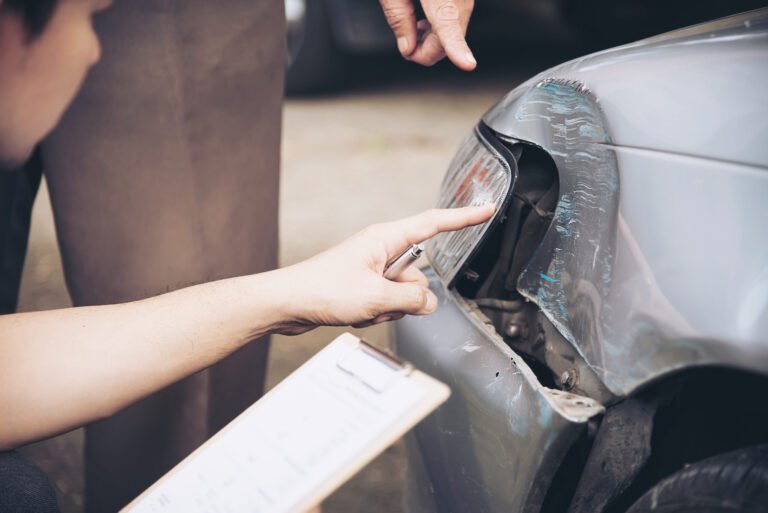
Use this table as a starting point, then confirm with photos. A short assessment from a technician costs nothing and can save you from paying for the wrong repair.
Warranty and Guarantee Considerations
Ask any shop what they guarantee. A body shop may warrant its paint against peeling or fading for a set period. A PDR technician may stand behind the repair itself, for example by agreeing to touch up if something looks wrong. Get the terms in writing, and compare them when choosing. Policies vary, so don’t assume.
A Note on Hail Damage
Hail is where the difference between the two methods is most dramatic. A car with dozens of small dents on the roof, hood and trunk would need multiple panels sanded, filled and repainted in a traditional shop, which is expensive and slow. With PDR, each dent is worked out individually, and the factory paint stays on every panel. That is why PDR is the standard approach for hail in most markets, and why insurers often prefer it. Our hail damage guide explains how repair and claims work for storm damage in Las Vegas.
If you’re weighing the two methods for a single dent, the same logic applies in miniature: fewer steps, fewer materials and less time on the road to a finished result.
What Las Vegas Locals Say About the Choice
In local threads, people searching for a decent body shop describe long waits, high prices and mixed experiences with larger collision chains. One poster said their insurer’s estimate was over $1,000 but their deductible was $2,000, so there was nothing to claim. Another, a collision technician, advised trying PDR first because of how large a dent it can handle.
Cost comparisons shared in local discussions are rough, but they point the same way as the table above: a spray-can or garage fix at the bottom, a professional shop repaint at the top, and PDR often a fraction of the price for the right dent. The catch is quality. Drivers who chose a bargain paint-free fix and ended up with marks wished they had asked for examples first.
Where this comes from: public discussions from Las Vegas drivers on Reddit (r/vegaslocals, r/LasVegas, r/PaintlessDentRepair), local Facebook groups and Quora, alongside our own price guide. These are individual experiences, not verified statistics, so use them as context and always get a written estimate for your own vehicle.
Frequently Asked Questions
Is PDR always cheaper?
Usually, when the dent is suitable. If the paint is damaged, PDR may not be an option at all.
Does PDR last as long as a repaint?
Yes. The metal returns to its shape permanently, and there’s no new paint to age or fade.
Can PDR fix big dents?
Sometimes. Size isn’t the only factor; depth, location and paint condition matter too.
Do insurers accept PDR?
Most do, as it’s often cheaper than traditional repair. See our insurance guide.
Will a PDR repair be visible?
When done well, a PDR repair is typically invisible, because the original finish remains.
Which is better for a lease return?
PDR is generally preferred, since it avoids repainted panels.
Is PDR better than a body shop for small dents?
When the paint is intact and the dent is reachable, usually yes: it’s cheaper, faster and keeps your original finish.
What if my deductible is higher than the repair?
Then insurance won’t pay, and a direct PDR repair is the simplest route.
Not Sure Which You Need?
Send a photo of your dent. We’ll tell you honestly whether PDR will work, and if not, what we’d suggest instead.